
The Mindfulness of Winter Olympics 2026
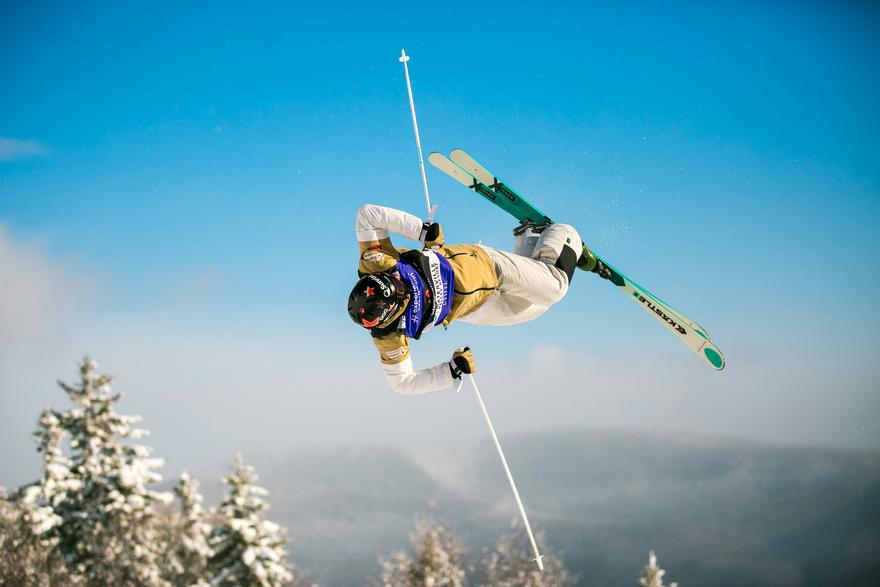
The 2026 Winter Olympics in Milano-Cortina offered breathtaking displays of speed, strength, and precision. The world watched skiers hurtle down icy slopes, figure skaters spin midair, and athletes push the limits of balance and endurance.
But beneath the spectacle lies something quieter and far more transferable to our everyday lives.
Elite athletes, at their best, embody presence, focus, resilience, and the ability to begin again. They also embody something we sometimes overlook: the power of choice in the middle of pressure, and the shared humanity that makes their struggles feel familiar.
These qualities are not reserved for Olympic arenas. They are human skills available to all of us.
Presence Under Pressure
Olympic competition compresses years of preparation into a single moment. One run. One routine. One chance.
What stands out isn’t perfection, because perfection is rare. It’s presence.
When an athlete steps into the starting gate or onto the ice, they cannot afford to dwell on yesterday’s mistake or tomorrow’s outcome. Their attention must narrow to this breath, this movement, this second.
That level of presence isn’t mystical. It’s practiced. It’s trained. And it’s something we, too, can cultivate.
Presence means noticing what’s happening without being overwhelmed by it. It’s the ability to say, This is what’s in front of me right now, and to meet it fully.
And presence creates something essential: space.
In that space, there is choice.
Focus: Returning to the Task
Focus is not about never getting distracted. It’s about returning.
Even elite athletes lose rhythm. A jump is slightly off. A turn is mistimed. The crowd is loud. Conditions change. Thoughts intrude.
The difference is this: they come back.
They return to the line of their skate blade, the rhythm of their breath, the next gate on the course.
That return is a choice.
Not once, but repeatedly.
In daily life, attention works the same way. You lose your train of thought during a presentation. You get rattled in a conversation. Your plans fall apart at 9:17 a.m.
The practice is not avoiding distraction; it’s noticing and choosing to come back.
Resilience: The Art of Recovery
Watch any Winter Games long enough and you’ll see it: a stumble, a slip, a near fall.
What follows is often more powerful than the mistake itself.
Resilience in elite sport is visible. It’s the skier who regains balance mid-run. The skater who completes the routine after a flawed landing. The athlete who finishes strong despite a setback.
Resilience is not dramatic. It is quiet. It is the decision — sometimes made in a split second — to continue.
And this is where common humanity becomes clear.
Even the best in the world wobble. Even they miscalculate. Even they feel the pressure of expectation. Watching them, we are reminded that this struggle is not a personal flaw, rather it is a shared human experience.
In everyday life, resilience looks similar. You say the wrong thing. You miss a deadline. You feel off your game.
The question is not “Why did this happen?”
The question is “What is my next step?”
That question holds both choice and compassion.
Beginning Again
Perhaps the most profound lesson elite athletes teach us is this: they are always beginning again.
Every training session. Every competition. Every season.
A fall does not define the run. A loss does not define the career. Each moment offers a reset.
And so does yours.
You don’t need a stadium of 20,000 spectators to practice these qualities. Your “arenas” are already here:
Presentations that matter.
Conversations that scare you.
Tasks that overwhelm.
Days that feel out of control.
When something goes wrong — and it will — you can practice what Olympians practice:
Notice. I’m frustrated. I’m off balance.
Breathe. Create a pause between reaction and response.
Choose. Decide what comes next.
Begin again. Take the next small, steady step.
You are not alone in the stumble. You are participating in something deeply human.
The Real Victory
The Winter Olympics are thrilling because they show us humanity under pressure — beauty, struggle, failure, triumph — all condensed into minutes.
But the real gift of watching is not entertainment. It’s recognition.
We see that mastery is not about flawlessness. It is about presence. Focus. Resilience. The courage to choose your next move. The humility to remember that everyone falls. The willingness to begin again.
And that practice is available to us, not once every four years, but every single day.
The next time you stumble — in your work, your relationships, or your plans — remember what elite athletes quietly demonstrate.
Take a breath.
Return to the moment.
Choose your next step.
Begin again.
That is the mindfulness of the Games. And it belongs to all of us.

2 comments
Thank you for this wonderful article - Olympic Athletes' performance and their ability to return to presence and begin again - is a great metaphor for meeting challenges, great or small. I marveled at their ability to do so - even at the most angst-ridden times. It's such a helpful reminder to me when dealing with my own day-to-day struggles with chronic illness.
Wishing you steadiness and care in your day-to-day.
Leave a comment
Please log in or register to post a comment